
Construction Engineering Supervision | Engineering Supervision Office
Construction engineering supervision is one of the most important factors in delivering a project with acceptable quality and reducing construction errors and costly modifications. Having a good engineering design alone does not guarantee a successful building project. The final quality also depends on the way the work is executed, the conformity of materials, the sequence of construction activities, and the inspection of stages that may become difficult or impossible to verify after they are covered.
An engineering supervision office represents the owner technically on site. It follows up on construction activities and verifies their compliance with approved drawings, technical specifications, the Saudi Building Code, and the project contract. The role of the supervision office is not limited to visiting the site or taking photographs. It includes inspecting critical stages, reviewing materials and tests, documenting observations, following up with the contractor, and preparing technical reports until project handover.
ABAK Engineering Consultancy provides construction engineering supervision for villas, residential buildings, commercial buildings, and different types of projects. The service is available through periodic site visits or a resident engineer, depending on the project size, complexity, construction speed, and the owner’s requirements.
What Is Construction Engineering Supervision?
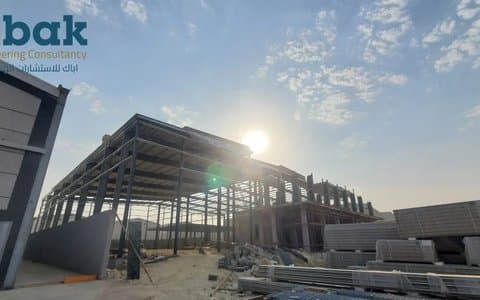
Construction engineering supervision is a technical service that monitors the execution of structural, architectural, electrical, and mechanical works and compares them with the approved drawings and specifications. The supervising engineer helps identify errors at the appropriate time, before they become concealed works or lead to expensive modifications.
Supervision may include the inspection of excavation, foundations, concrete, reinforcement, waterproofing, building services, finishes, and testing. It may also include monitoring progress, coordinating between the owner, contractor, designer, and consultant, and preparing periodic reports.
The scope of supervision varies from one project to another according to the building type, area, number of floors, complexity, construction speed, and contract arrangement. A periodic site visit system may be suitable for a villa or medium-sized building, while large, fast-moving, or complex projects may require a resident engineer who follows up on the work on a daily basis.
Why Is an Engineering Supervision Office Important?
The owner needs an independent technical party to review the contractor’s work instead of relying only on the final appearance of the building. Many important works are later covered by concrete, insulation, plaster, ceilings, or finishes. Once covered, discovering a defect can become difficult, disruptive, and expensive.
An engineering supervision office helps protect project quality by:
- Reviewing construction works against the approved drawings.
- Inspecting materials before they are used on site.
- Checking reinforcement before concrete casting.
- Reviewing excavation and foundation levels.
- Inspecting waterproofing before it is covered.
- Reviewing building services before walls and ceilings are closed.
- Documenting observations with photographs and technical reports.
- Following up on the correction of non-compliant work.
- Reviewing progress percentages before payment certificates are approved.
- Supporting preliminary and final project handover.
Engineering supervision also helps reduce disputes between the owner and contractor because observations, decisions, and corrective actions are documented instead of being based only on verbal communication.
What Are the Main Duties of an Engineering Supervision Office?
Reviewing Drawings Before Construction Begins
Effective supervision starts before the contractor begins work on site. Architectural, structural, electrical, and mechanical drawings should be reviewed to confirm that they are clear and to identify any conflicts that could affect construction.
The review may reveal differences between disciplines, such as electrical routes conflicting with structural elements, inconsistent floor levels, unclear waterproofing details, or missing information about stairs, openings, and building services.
Identifying these issues early helps prevent work stoppages, redesign, and modifications during construction.
Monitoring Site Preparation
Site preparation may include checking property boundaries, building axes, levels, access routes, storage areas, and temporary safety requirements. The supervision office may also review the contractor’s readiness, workforce, equipment, and site organization before major construction begins.
Supervising Excavation and Foundations
Excavation and foundations are among the most important construction stages. Errors at this stage can affect the rest of the building and may be difficult to correct after the structure is completed.
The supervising engineer reviews excavation levels, foundation dimensions, locations, soil conditions, replacement or compaction layers where applicable, cleanliness, and preparation before concrete or reinforcement works begin.
Inspecting Reinforcement Before Concrete Casting
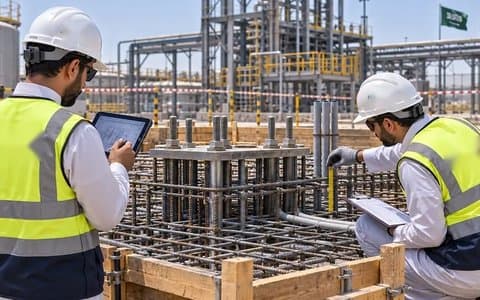
Footings, columns, walls, and slabs should not be cast before the reinforcement is inspected. The inspection may include bar diameters, quantities, spacing, lap lengths, concrete cover, starter bars, openings, and other details shown on the structural drawings.
This stage should be documented through an inspection record or site visit report identifying the inspected work and any observations that must be addressed before concrete casting is permitted.
Monitoring Concrete Works
The supervising engineer monitors concrete works before, during, and after casting. This may include reviewing concrete type, supplier, delivery time, placement method, compaction, curing, and the required tests according to the project specifications.
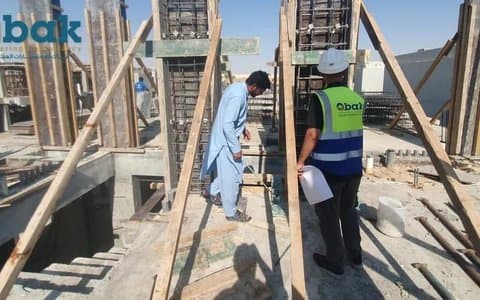
Formwork, supports, levels, openings, and embedded items should also be reviewed before casting. The work area should be free from debris, standing water, and conditions that could affect the quality of the concrete element.
Inspecting Waterproofing and Thermal Insulation
Waterproofing is one of the works that must be inspected before it is covered. This may include foundation waterproofing, tanks, bathrooms, kitchens, roofs, basements, and other areas according to the project design.
The supervising engineer reviews the type of waterproofing material, installation method, corners, joints, penetrations, and drainage details. Flood tests or other suitable tests may be followed up before protective layers or finishes are installed.
Reviewing Building Services Before Closure
Electrical, plumbing, air-conditioning, fire protection, and low-current installations should be inspected before walls and ceilings are closed. Once the surfaces are closed, identifying an incorrect route, level, or connection point becomes more difficult.
The review may include electrical outlets, switches, panels, water and drainage lines, air-conditioning openings, fire protection systems, cable routes, and sealing around penetrations.
Monitoring Finishing Works
Construction supervision does not end with the structural frame. Finishing works also affect the quality and final value of the building. These works may include plaster, flooring, painting, doors, windows, suspended ceilings, façades, plumbing fixtures, and electrical finishes.
The supervising engineer checks whether materials, samples, colors, levels, details, and installation quality match the approved specifications or the agreed contract requirements.
Which Construction Stages Should Not Proceed Without Inspection?
Some construction stages should not be left without inspection because they may become difficult or expensive to repair after they are covered. Important inspection points may include:
- Setting out the building and confirming axes before excavation.
- Checking excavation levels and soil conditions.
- Inspecting replacement and compaction layers where required.
- Inspecting footing reinforcement before casting.
- Inspecting columns, walls, and slab reinforcement before each concrete pour.
- Reviewing openings and embedded services before casting.
- Inspecting waterproofing before covering it.
- Inspecting electrical, plumbing, and HVAC services before closure.
- Testing water and drainage systems before covering them.
- Inspecting fire protection systems before ceilings and walls are closed.
The required inspection points depend on the project type, drawings, specifications, and contract scope. They should therefore be agreed upon before the supervision contract is signed.
Periodic Site Visits or a Resident Engineer?
Engineering supervision offices generally provide more than one supervision method. The appropriate option depends on the project size, construction speed, number of contractors, complexity of the work, and the owner’s available time.
Periodic Site Visit Supervision
The periodic visit system is suitable for villas, medium-sized buildings, and projects with clear construction stages. The engineer visits the site at critical points, such as excavation, foundations, reinforcement before concrete casting, waterproofing, building services before closure, and project handover.
A periodic visit system should not be treated as a random or formal visit. Each visit should be linked to a defined inspection stage, and the contractor should notify the supervision office before starting work that requires inspection.
Resident Engineer Supervision
A resident engineer is suitable for large, fast-moving, or multi-contractor projects that require daily monitoring and continuous technical decisions. The engineer may be present on site or dedicated to the project according to the contract scope.
A resident engineer helps monitor progress directly, coordinate contractors, review daily materials and work activities, issue observations promptly, and reduce the risk of non-compliant work being completed before it is identified.
How Should You Choose the Appropriate System?
| Criterion | Periodic Site Visits | Resident Engineer |
|---|---|---|
| Project type | Villas and medium-sized buildings | Large or complex projects |
| Site presence | Visits linked to critical stages | Daily or continuous follow-up |
| Number of contractors | One contractor or a limited number | Several contractors and suppliers |
| Construction speed | Moderate construction pace | Fast projects or projects with a demanding schedule |
| Reporting | A report after each visit | Periodic reports and daily follow-up according to the contract |
The decision should not be based on cost alone. It should also consider the level of quality control required, construction speed, project complexity, and the owner’s ability to follow up.
What Is the Difference Between Engineering Supervision and Project Management?
Some owners confuse engineering supervision with project management, although each service has a different scope.
Engineering supervision focuses on verifying that construction complies with approved drawings, specifications, applicable codes, and safety requirements. It includes inspecting works, accepting critical stages, and documenting observations.
Project management focuses on time, cost, scope, risk, and coordination between the owner, designer, contractor, and suppliers. It may include preparing schedules, monitoring the budget, managing changes, coordinating parties, and comparing contractor quotations.
| Item | Engineering Supervision | Project Management |
|---|---|---|
| Main question | Was the work executed correctly and in compliance? | Is the project progressing according to time, cost, and scope? |
| Main focus | Quality, compliance, and safety | Time, cost, risks, and coordination |
| Main deliverables | Inspection records, technical reports, and observations | Schedules, progress reports, cost reports, and change management |
| Site role | Inspecting works and accepting critical stages | Coordinating all project parties and following up on decisions |
A project may require engineering supervision only, project management only, or both services together. The scope of each service should be clearly stated in the contract to avoid gaps or overlapping responsibilities.
What Should Engineering Supervision Reports Include?
A supervision report should be useful to the owner and should not be limited to proving that a site visit took place. A professional report may include:
- Visit date, project name, and project location.
- Works inspected during the visit.
- Approximate progress percentage.
- Works that comply with the drawings and specifications.
- Detailed technical observations.
- Photographs of the works and observations.
- Works that should be stopped or should not be covered.
- Corrective actions required from the contractor.
- Previous observations that have been corrected.
- Decisions that require owner or designer approval.
- Recommendation to proceed to the next stage or hold the work.
Reports are especially important for projects managed by owners who live outside the project city, projects with several contractors, and projects where progress payments are linked to completed work.
Responsibilities of the Supervision Office and the Contractor
The contractor is responsible for executing the work in accordance with the contract, drawings, and specifications. The supervising engineer verifies the works inspected within the scope of the supervision contract.
The presence of a supervising engineer does not remove the contractor’s responsibility for construction quality, worker safety, site management, or the suitability of the materials and equipment used.
The role of the supervising engineer is to record compliance or non-compliance, explain the observations and corrective actions, and refer decisions that require owner or designer approval to the relevant party. The contractor remains responsible for carrying out the corrective work and providing suitable labor, materials, and equipment.
For this reason, communication between the parties should be clear and documented as much as possible. Site notices, contractor responses, approvals, and corrective actions should be recorded in writing.
Common Mistakes in Construction Supervision
One of the most common mistakes is appointing a supervision office after excavation or after a significant part of the structural frame has already been completed. Starting supervision early allows the office to review the drawings, define inspection points, and establish a clear communication process with the contractor.
Other common mistakes include:
- Relying on formal site visits without written reports.
- Allowing concrete casting before reinforcement inspection.
- Failing to notify the supervision office before critical stages.
- Using materials that are not approved or do not match the specifications.
- Making site modifications without designer approval.
- Releasing payments without linking them to actual progress.
- Closing services before testing them.
- Covering waterproofing before inspection and testing.
- Failing to document non-compliant works and corrective actions.
- Failing to prepare a snagging list before final handover.
How Do You Choose the Right Engineering Supervision Office?
An engineering supervision office should be selected based on its experience, service scope, technical team, and ability to provide the appropriate disciplines for the project, not only on the lowest price.
Verify the Office Scope and Classification
The Balady platform provides an electronic service for inquiring about engineering offices. The service can provide information about the office, including contact details, location, activities, and classification. Owners should verify the office information and professional scope before signing a contract.
Request a Clear Supervision Plan
The office should clarify the stages it will attend, the number of visits or resident engineer duration, the type of reports, the communication method, and the process for handling observations and corrective work.
Confirm the Availability of the Required Disciplines
Structural works require an appropriate structural engineering review, while electrical and mechanical systems require the relevant technical disciplines. Large projects may need a multidisciplinary team instead of relying on one engineer for all works.
Review a Sample Report
Ask the office for a previous supervision report or an illustrative sample showing the level of documentation, photographs, observations, and corrective action tracking. A good report helps the owner understand what has been completed and what remains outstanding.
Define the Supervisor’s Authority in the Contract
The contract should define how the contractor notifies the supervisor before critical stages, how non-compliant work is handled, how materials are approved, the supervisor’s authority, the party responsible for approving changes, and the required number of reports.
How Can ABAK Engineering Consultancy Help?
ABAK Engineering Consultancy provides construction engineering supervision for villas, residential buildings, commercial buildings, and different types of projects through periodic site visits or a resident engineer, depending on the project requirements.
ABAK’s supervision services may include:
- Reviewing drawings before construction begins.
- Inspecting structural and architectural works.
- Following up on excavation, foundations, concrete, and reinforcement.
- Inspecting waterproofing and thermal insulation.
- Reviewing electrical, plumbing, and HVAC services before closure.
- Following up on fire protection and life safety systems where applicable.
- Inspecting materials and comparing them with project specifications.
- Preparing periodic technical supervision reports.
- Documenting observations with photographs.
- Following up on the correction of non-compliant works.
- Reviewing actual progress percentages.
- Participating in preliminary and final handover.
- Preparing snagging lists and following up on their closure.
ABAK provides periodic site visit supervision for critical stages and resident engineer supervision for large or complex projects that require daily follow-up. The company also provides project management and periodic technical reporting according to the project scope.
When Should You Appoint an Engineering Supervision Office?
It is preferable to appoint the engineering supervision office before construction begins. This allows the office to review the drawings, define inspection points, and prepare a clear communication and reporting plan with the contractor.
It is possible to appoint a supervision office after construction has started. In that case, an initial inspection should be performed to document completed works, identify what can still be inspected, and record works that have already been covered.
The later supervision starts, the greater the possibility that some works cannot be verified without opening, removing, or damaging completed construction.
Is Engineering Supervision Required for New Buildings?
The requirement for an appointed supervising office depends on the building permit, project type, and applicable procedures. Owners should verify the requirements related to their specific project through the official channels before starting construction.
Regardless of the formal requirement, engineering supervision is a practical way to protect the owner’s investment. It helps verify the quality of work before it is covered and before payments related to the work are released.
Frequently Asked Questions About Construction Engineering Supervision
What is the role of an engineering supervision office?
An engineering supervision office monitors construction works and verifies their compliance with approved drawings, specifications, and applicable codes. It inspects critical stages, reviews materials and tests, documents observations, and follows up with the contractor until non-compliant works are corrected.
Does engineering supervision include managing the contractor?
The supervising engineer does not replace the contractor or manage the contractor’s workers. The supervisor reviews construction quality and issues technical observations. If the project also needs schedule, cost, supplier, and change management, the owner may appoint a project management service in addition to engineering supervision.
Is periodic site visit supervision suitable for villa construction?
Periodic site visit supervision is often suitable for villas and medium-sized projects when the critical inspection stages are clearly defined and the supervision office is notified before those stages begin. The final choice depends on the project area, construction speed, and complexity.
When does a project need a resident engineer?
A project may need a resident engineer when it is large, fast-moving, complex, or managed by several contractors. A resident engineer is also useful when the owner needs daily monitoring of site activities, materials, coordination, and technical observations.
Can a supervisor stop the contractor from casting concrete?
This depends on the supervision contract and the authority granted to the supervising engineer. The contract should define how non-compliant work is handled, how the contractor is notified, and how observations are escalated to the owner and designer.
Does an engineering supervision office guarantee that there will be no construction errors?
Engineering supervision helps reduce errors and identify them early, but it does not remove the contractor’s responsibility or the need to comply with the contract, drawings, specifications, and testing requirements. The outcome also depends on the supervision scope, contractor cooperation, and timely notification before critical works begin.
Can I appoint a supervision office after construction has started?
Yes, but appointing the office before construction is preferable. If construction has already started, an initial inspection should document completed works and identify which stages can still be inspected before construction proceeds.
What should an engineering supervision contract include?
The contract should identify the project type, supervision method, number of visits or resident engineer duration, mandatory inspection stages, report type, supervisor authority, material and variation approval process, and communication method between the owner, contractor, and designer.
How much does construction engineering supervision cost?
The cost depends on the project area, number of floors, building type, construction speed, supervision method, number of visits, and required disciplines. It is recommended to provide the project drawings and basic information to receive a suitable quotation after review.
Conclusion
Construction engineering supervision is not merely a site visit. It is an organized technical process that protects project quality and verifies construction before the work reaches stages that are difficult or expensive to repair.
An engineering supervision office reviews drawings, materials, critical construction stages, technical reports, observations, and handover activities. Periodic site visits may be suitable for villas and medium-sized buildings with clearly defined inspection stages, while a resident engineer is more suitable for large, fast-moving, or multi-contractor projects.
The supervision scope should be clearly defined in the contract, including inspection stages, reports, communication, and authority. ABAK Engineering Consultancy provides construction supervision through periodic site visits or a resident engineer, with quality monitoring, technical reporting, and handover follow-up.
Contact ABAK Engineering Consultancy to assess your project, determine the appropriate supervision method, and request a customized service proposal.
Official Sources and References
- Balady Platform — Engineering Office Inquiry Service
- Balady Platform — Building Permit Issuance
- ABAK Engineering Consultancy — Engineering Supervision by Site Visits or Resident Engineer and Construction Project Management
- ABAK Engineering Consultancy — Engineering Supervision Offices in Saudi Arabia and Their Duties
- ABAK Engineering Consultancy — Difference Between Project Management and Engineering Supervision
- ABAK Engineering Consultancy — Engineering Services and Construction Supervision