
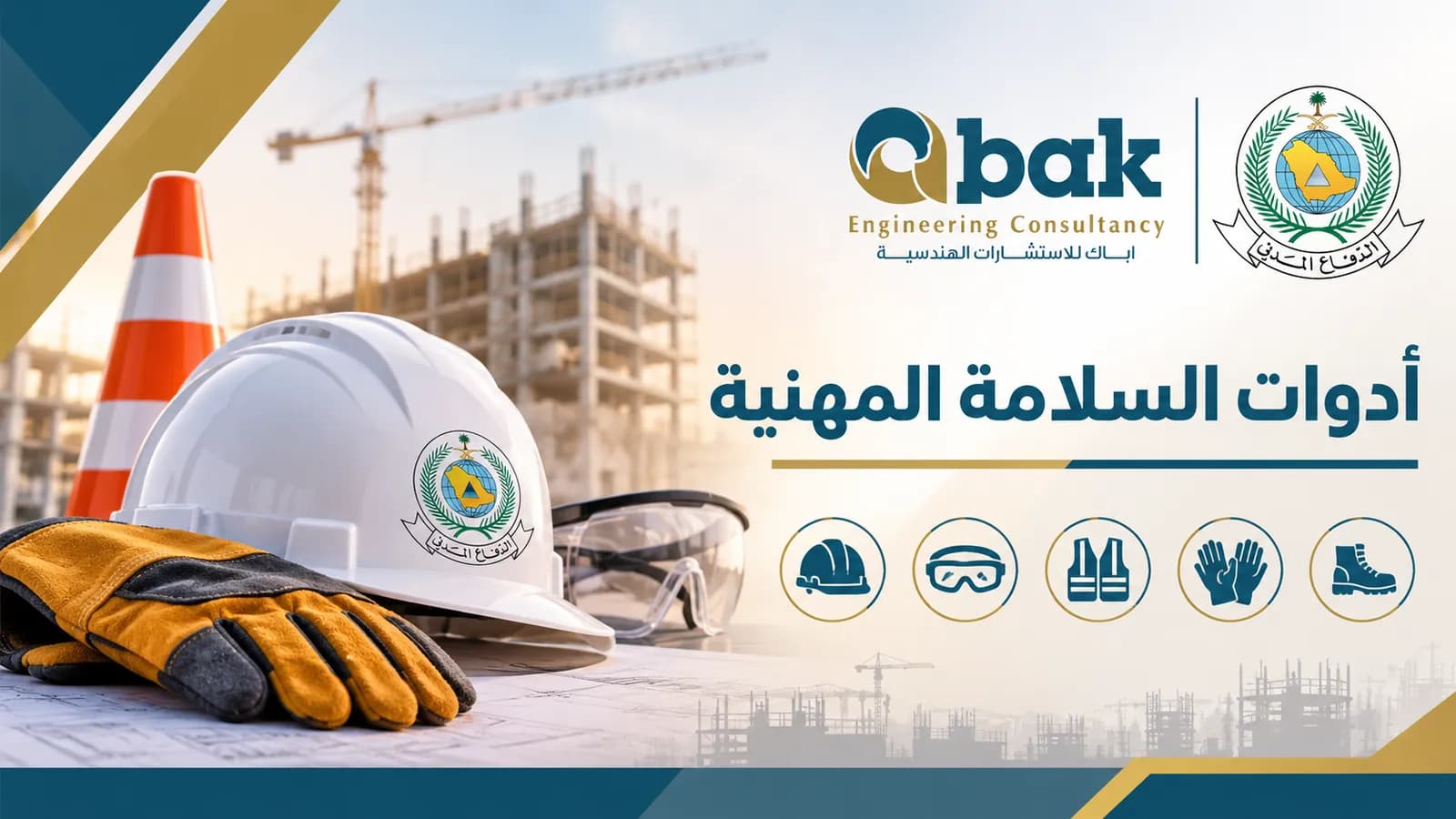
Short answer: Occupational safety equipment comes in two kinds: personal protective equipment (PPE) worn by the worker, such as helmets, goggles, gloves, safety shoes and fall-arrest harnesses; and site safety equipment such as extinguishers, barriers, signage and first-aid kits. Saudi Labour Law requires employers to provide suitable protective equipment to workers free of charge and train them in its use.
Key Points
- PPE is the last line of defence, after eliminating or isolating the hazard.
- Choosing equipment starts with a risk assessment, not a ready-made shopping list.
- Non-compliant or damaged equipment does not protect.
- Training workers in use is part of the obligation; distribution alone is not enough.
PPE by Body Part
| Protection | Equipment | Used in |
|---|---|---|
| Head | Safety helmet | Construction sites, under cranes, work at height |
| Eyes and face | Safety goggles, face shield, welding mask | Cutting, grinding, welding and chemicals |
| Hearing | Earplugs and earmuffs | Heavy equipment, generators and factories |
| Respiratory | Dust masks, filter respirators, breathing apparatus | Dust, paints, fumes and confined spaces |
| Hands | Gloves by hazard: mechanical, chemical, thermal or electrically insulating | Handling, chemicals, welding and electrical work |
| Feet | Safety shoes with protective toecap and anti-slip, puncture-resistant sole | All construction sites and warehouses |
| Body | High-visibility vest, workwear, chemical suits | Open sites, roads and factories |
| Falls | Full-body harness, lanyard and anchor point | Work at height, scaffolding and roofs |
Site Safety Equipment
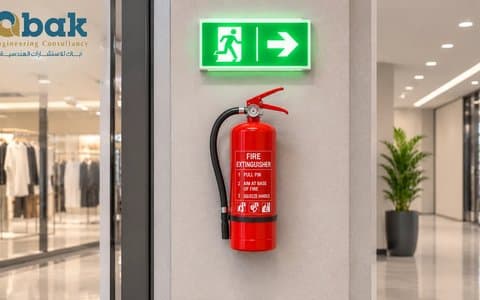
- Fire extinguishers suited to the hazard, with periodic servicing.
- A first-aid kit and a trained first aider.
- Barriers and warning tape around excavations and openings.
- Clear guidance and warning signs.
- Guardrails and edge protection for roofs and openings.
- Adequate lighting and emergency lighting.
- An assembly point and a known evacuation plan.
Safety Equipment on Construction Sites
Construction sites are among the highest-risk workplaces. The minimum for anyone entering a site is a helmet, safety shoes and a high-visibility vest. Equipment is then added by task: a harness for work at height, goggles and gloves for cutting and welding, and a mask for dust and paints.
The Hierarchy of Controls: Why PPE Comes Last
- Elimination: remove the hazard, e.g. doing the work at ground level instead of at height.
- Substitution: a less hazardous material or tool.
- Engineering controls: barriers, local ventilation and edge protection.
- Administrative controls: work permits, training and reduced exposure time.
- PPE: to protect the worker from the remaining risk.
Relying only on helmets and harnesses without barriers and edge protection is a common site mistake.
Pre-Use Equipment Checks
| Item | What to check |
|---|---|
| Helmet | Cracks, manufacture date and harness condition |
| Fall harness | Webbing wear, stitching, buckles and inspection date |
| Gloves | Holes, tears and suitability for the material |
| Respirator | Correct, in-date filter and face seal |
| Safety shoes | Toecap and sole |
Storing and Caring for Safety Equipment
- Store away from direct sun and heat, especially helmets and harnesses.
- Clean masks and goggles according to the manufacturer's instructions.
- Record issue and inspection dates for each worker.
- Do not share PPE between workers.
Employer Obligations in Saudi Arabia
- Provide occupational safety and health measures and precautions to protect workers.
- Provide suitable PPE free of charge.
- Train and qualify workers and monitor their use of protective measures.
- Report incidents and work injuries through the approved platforms.
The Ministry of Human Resources has also approved a regulation governing work in high-risk occupations, emphasising the employer's responsibility for training and ensuring PPE is used.
How to Choose the Right Safety Equipment
- Assess the risks of each task: falls, flying objects, noise or chemicals.
- Choose equipment matching the hazard and approved standards.
- Check fit and comfort, as uncomfortable equipment goes unworn.
- Inspect it regularly and replace damaged items.
- Train workers and record the training.
With Abak Engineering Consultancy
We provide risk assessments for sites and facilities, safety and evacuation plans, technical reports on safety systems, and Civil Defense requirements for facilities.
Contact us: Technical safety reports service | 0531145777
Frequently asked questions
What is the basic occupational safety equipment?
Helmet, goggles, gloves, safety shoes, high-visibility vest, hearing protection, mask, and a harness for work at height.
Who pays for PPE?
The employer, who provides it to workers free of charge.
What is the difference between safety equipment and PPE?
PPE is worn by the worker; safety equipment also includes site equipment such as extinguishers, barriers and signs.
What safety equipment is needed to enter a construction site?
At minimum a helmet, safety shoes and a high-visibility vest, plus task-specific equipment.
How often should safety equipment be replaced?
When damaged or at the end of the manufacturer's stated life; some items, such as fall harnesses, are inspected before each use.
Does Abak provide site risk assessments?
Yes, as part of our safety and technical report services.