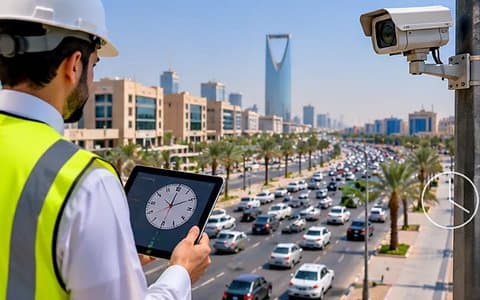
Every finding in a traffic study is built on the traffic count figures. A count taken at the wrong time means a wrong study and comments from the municipality. That is why the procedural guide sets precise requirements for it.
A traffic study is only as good as its data. The procedural guide is not satisfied with counting cars; it asks for a complete picture of the surrounding network.
The levels and thresholds in the procedural guide are all tied to the "peak hour": 100 trips, 500 trips and 2,500 trips. So pinning down the peak hour accurately is not a technical detail; it decides your study's level.
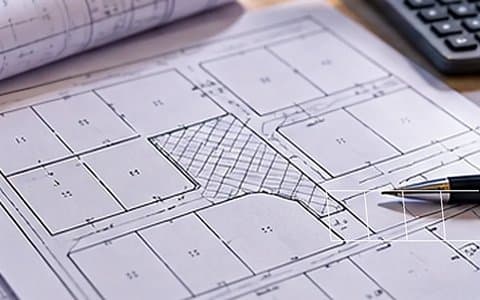
At level one of the procedural guide, the access study, you may not need a full traffic study, but some commercial projects are asked for drawings showing the entrances and exits and the number and locations of parking spaces. At higher levels, access analysis becomes its own chapter of the report.
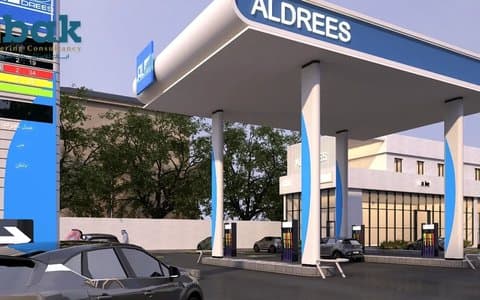
A drive-thru's success is measured by the length of its queue, but a queue that spills onto the street causes congestion and accidents and puts the project in the sights of the municipality and traffic police. The procedural guide lists cases where a study is required even for small projects, including a project on a congested main corridor.
A customer who cannot get in easily goes to a competitor. That makes entrance location a business decision as much as an engineering one, and it also decides whether the municipality approves the project.
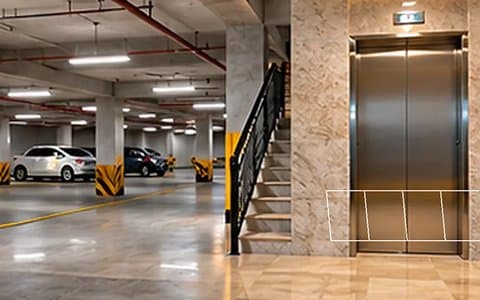
The procedural guide describes ample parking as one of the most important success factors for any investment project and a key factor in the size of its traffic impact, because a parking shortage pushes cars onto the surrounding streets.
Car park design is a balance between the number of spaces and ease of movement. Space dimensions, parking angle and aisle width decide all three together.
Parking for people with disabilities is part of a building's universal access system. The Riyadh municipality's building permit requirements refer to compliance with the "Simplified Guide to Universal Access Standards for Facilities", the parking design guide and the Saudi Building Code.
Tables and figures say an intersection will operate at a certain level of service, but traffic simulation shows you what that will actually look like: queues, conflicting movements and choked entrances.
The procedural guide defines road safety as adopting plans, programmes, regulations and preventive measures to reduce accidents and protect lives and property. It gives road safety its own chapter in the study report: checking that safety standards are applied and met for the project's components and the surrounding road network.
At schools, traffic is concentrated into a few minutes in the morning and at midday: hundreds of cars and children crossing. The procedural guide requires every study to examine active transport (pedestrians and cyclists) to avoid crowding points, along with a road safety chapter.