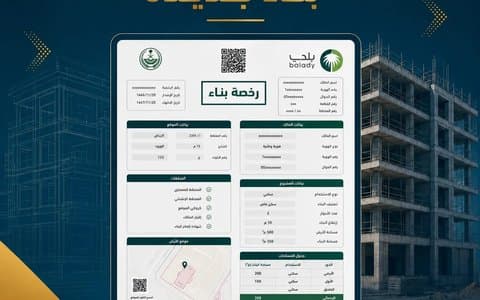

Demolishing an old house and building a new one in its place is a common project in older districts, especially as land values rise and buildings over thirty or forty years old deteriorate. The costliest mistake in this project is starting a step before its time: demolishing without a permit, excavating before the permit, or designing on inaccurate boundaries. This is the correct order of permits from the old house to the new house's occupancy certificate, with what can be done in parallel to save time.
First of All: Is Demolition the Right Decision?
Sometimes restoration or strengthening is cheaper than demolition, and sometimes the reverse. A structural assessment answers the question. Read: Restoring old buildings and structural assessment and Buildings at risk of collapse.
The Suggested Sequence
- The survey decision: the basis for all later services; a demolition permit can be issued after a survey decision for demolition if there is no permit. See our survey report service.
- The demolition permit: read: The demolition permit: conditions and steps.
- Demolition and debris removal with safety precautions. Read: Safety requirements during demolition.
- The site preparation permit: to level and prepare the site before building; it requires a survey decision for the site and municipality approval. Read: Site preparation permit.
- The building permit: read: New building permit requirements.
- Construction under supervision.
- The occupancy certificate: after construction is complete. Read: The completion certificate.
What Can Be Done in Parallel?
| While | You can |
|---|---|
| The demolition permit is processed | Start the new building's architectural design |
| Demolition is under way | Contract the supervising office and contractor |
| After the building is removed | Carry out the soil investigation before the final structural design |
| Structural design | Complete the MEP drawings |
Read: The soil investigation report.
Neighbours and the Shared Wall
In older districts, walls are often adjoining or shared. Photograph the condition of neighbouring buildings before demolition, plan to protect the shared wall, and if the new design includes a basement, plan the shoring. Read: Excavation shoring.
An Opportunity Not to Waste: Designing Afresh
Demolition gives you a blank page. Design the new building to current requirements to achieve the maximum allowed area, and think about future expansion, a separate rental unit, or sortability. Read: A villa plan with a separate rental apartment.
Common Mistakes
- Demolishing without a permit, believing the old building "has no value".
- Starting excavation before the site preparation or building permit.
- Neglecting protection of neighbouring buildings.
- Designing the new building on the old deed's boundaries without a recent survey.
- Leaving debris on site or on the pavement for a long time.
Frequently Asked Questions
Is a new survey decision needed to build after demolition?
The building permit requires a valid survey decision for building purposes; the office determines whether it needs updating.
How long does the whole route take?
It depends on the project's size; each service has its published time on Balady, plus design and construction time.
Can the same engineering office handle demolition and building?
Yes, which makes coordinating the stages easier and saves time.
Do I always need a site preparation permit?
You need it for site levelling and preparation work; the office determines the need based on the land's condition after demolition.
What if the old house has no permit?
A demolition permit can be issued after a survey decision for demolition.
How Abak Engineering Consultancy Helps
Abak is an accredited engineering office in Riyadh that handles the whole route: the survey decision, demolition permit, site preparation, the new building's design and permit, and supervision through to occupancy. Learn about our demolition permit service, or contact us.
Regulatory information is based on the Balady platform and the Ministry of Municipalities and Housing, and procedures may be updated by the competent authority. Last reviewed: October 2026.