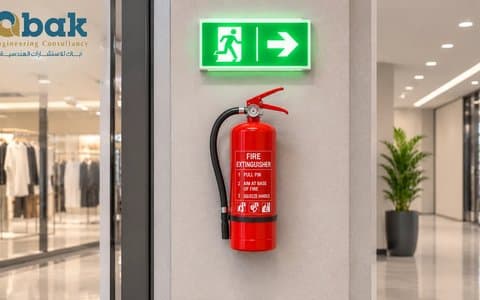

Short answer: Civil Defense recommends four essentials in every home: a smoke detector, a fire blanket, a fire extinguisher (including the CO2 type suited to electrical fires), and a gas leak detector. These are complemented by safe use of gas, electricity, water heaters and heaters, protecting children, and a simple evacuation plan the family knows.
Key Points
- A smoke detector is the cheapest and most life-saving device, especially during sleep.
- Most home fires start in the kitchen, the electrics, or heating.
- Emergency numbers: 911 in Makkah, Madinah, Riyadh and the Eastern Region, and 998 elsewhere.
- Check safety equipment regularly and teach family members how to use it.
Essential Safety Equipment in Every Home
| Equipment | Where to put it | Note |
|---|---|---|
| Smoke detector | Corridors near bedrooms and on every floor | Test monthly and change the battery yearly |
| Fire blanket | Kitchen, away from the hob | For small oil fires |
| Fire extinguisher | Kitchen and near the electrical panel | CO2 suits electrical fires |
| Gas leak detector | Kitchen and near the cylinder | Install according to gas type and the manufacturer's instructions |
| First-aid kit | A known place out of children's reach | Check contents and expiry dates |
Gas Safety
- Choose a safe location for the gas cylinder, preferably outside the kitchen in a well-ventilated place.
- Check pipes, hoses and the regulator are sound.
- Turn off the gas when leaving the kitchen.
- Have ovens and hobs inspected periodically.
- If you suspect a leak: do not light a flame or use electrical switches; open windows and shut off the supply.
Electrical Safety
- Do not overload a single socket with multiple adapters.
- Replace damaged cables immediately and do not run them under carpets.
- Cover sockets in homes with children.
- Use a qualified technician for any change to the panel or wiring.
Water Heaters and Heating
- Set water heater temperature below 70°C, make sure water reaches it continuously, and switch off the power when the water supply is cut.
- Light charcoal outside the house, and do not fully close doors and windows when heating with charcoal or wood, to avoid carbon monoxide build-up.
- Keep furniture and combustibles away from heaters, and put out wood fires before sleeping or going out.
- Place oil heaters on a stable surface, and check for gas leaks before lighting a gas heater.
Child Safety at Home
- Keep sharp tools, medicines and cleaning products out of reach.
- Cover electrical sockets and secure cables.
- Secure the hob and keep the gas cylinder away.
- Fit window and stair guards on upper floors.
- Anchor tall furniture and TVs to the wall to prevent tipping.
A Monthly Home Checklist
- Press the smoke detector's test button.
- Check the extinguisher pressure gauge is in the green zone.
- Inspect the gas hose for cracks.
- Make sure exits and corridors are clear.
- Check cables and multi-way adapters.
- Review the first-aid kit and expiry dates.
How to Use a Fire Extinguisher
Remember the four steps:
- Pull the safety pin.
- Aim the nozzle at the base of the fire, not the flames.
- Squeeze the handle.
- Sweep the nozzle side to side across the base of the fire.
Use an extinguisher only on small fires, standing with your back to the exit. If the fire grows, leave immediately and call emergency services.
Kitchen Oil Fires
Never use water on an oil fire; it makes the oil erupt and spreads the flames. Turn off the heat if it is safe to do so, cover the pan with a metal lid or a fire blanket, and leave it covered until it cools.
A Family Evacuation Plan
- Identify two exits from each room where possible.
- Agree on an assembly point outside the house.
- Teach children the emergency number and to crawl under smoke.
- Practise the plan once or twice a year.
- Never go back inside to retrieve anything.
Safety Starts at the Design Stage
Many home hazards are solved at design: the kitchen's location and ventilation, where the gas cylinder sits, electrical panel layout and loads, the home's exits, and railing heights. That is why Abak reviews these elements when designing villas and residential buildings.
Contact us: Architectural design to the Saudi code | 0531145777
Frequently asked questions
What safety equipment should every home have?
A smoke detector, a fire blanket, a fire extinguisher and a gas leak detector, plus a first-aid kit.
Where should I place a smoke detector?
In corridors near bedrooms and on every floor, not directly in the kitchen, to avoid false alarms.
Which extinguisher suits a home?
A CO2 extinguisher suits electrical fires, and a fire blanket suits small kitchen oil fires.
What should I do if I suspect a gas leak?
Do not light a flame or use electrical switches; open windows, shut off the supply, and call emergency services if needed.
What temperature should a water heater be set to?
Civil Defense recommends setting it below 70°C.
What are the emergency numbers in Saudi Arabia?
911 in the Makkah, Madinah, Riyadh and Eastern regions, and 998 in the other regions.