Rebar, blocks and sand on the sidewalk in front of a construction site is a familiar sight, but it is a municipal violation that exposes the owner and the contractor to fines and puts passers-by at risk.
"Occupancy certificate", "compliance certificate", "conformity certificate", "safety certificate": similar names that cause a lot of confusion among owners. Here we explain the difference between the building completion certificate, the compliance certificate and the safety certificate.
Finished construction and applied for the occupancy certificate, only for the application to stall? Most of the causes can be anticipated from the service's own requirements. Here are the reasons building completion certificates are rejected, and their solutions.
Demolishing an old house and building a new one in its place is a common project in older neighbourhoods. The costliest mistake is starting a step before its time. This is the correct order of permits.
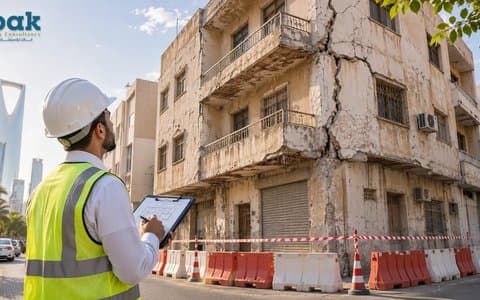
Deep cracks, sagging floors or corroded reinforcement: signs that may mean a building is at risk of collapse. The right response starts with an engineering assessment, not guesswork.
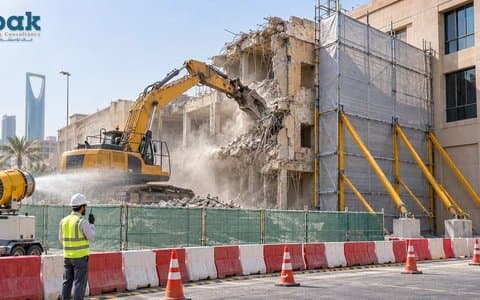
Demolition is not just removal; any mistake can damage a neighbour's building or passers-by, and the liability falls on the owner and the contractor. These are the essential safety requirements during demolition.
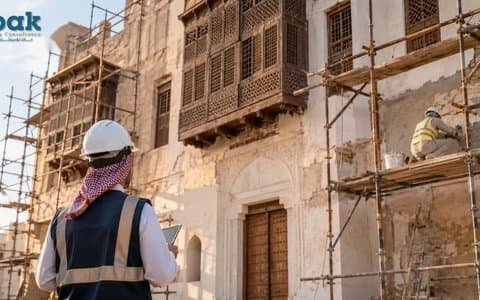
Every building wears out over time: cracks, leaks, damaged plaster or insulation. Fixing these defects is called restoration, and it has its own permit on Balady. But not every job people call "restoration" falls under the restoration permit. This guide explains the official definition, requirements, steps and where restoration ends.
The most common mistake owners make when altering their buildings is choosing the wrong permit. Here is a comparison table based on the definitions of Balady's services.
The facade is the first thing people see, and renovating it raises the property's value. But do you need a permit? The answer depends on the type of work.
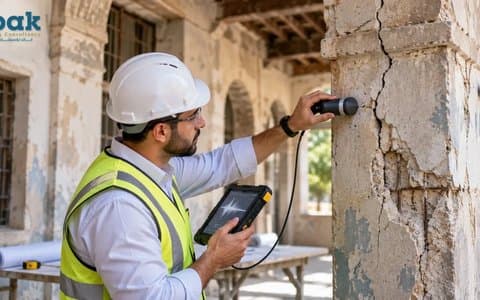
New paint and luxury finishes over a tired structure do not make a building safe. That is why, when restoring old buildings, the first step is a structural assessment.
Many owners want to level and prepare their land before the building permit is issued, to save time. Is that allowed? Yes, through the site preparation permit.
Before any foundation is poured comes excavation, and sometimes soil replacement. These works are buried out of sight, but they determine the building's safety.